 EN
EN
WHAT ARE YOU LOOKING FOR?
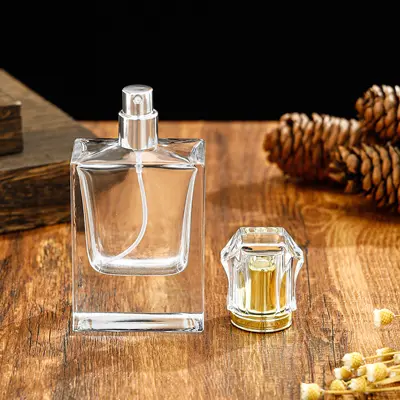
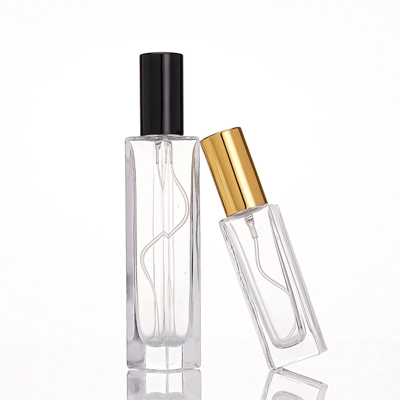
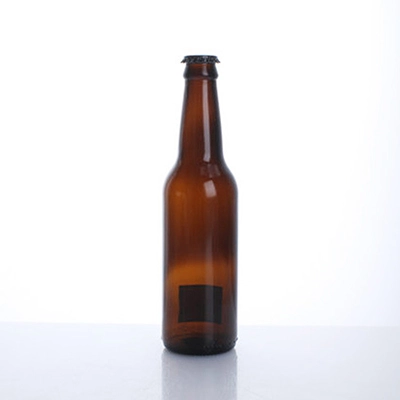
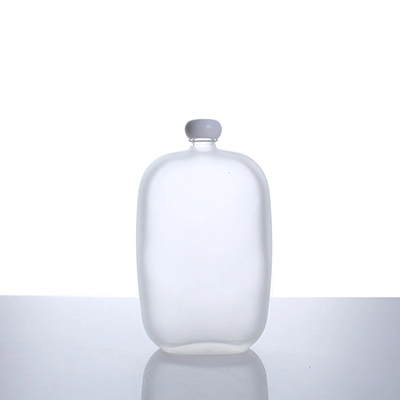
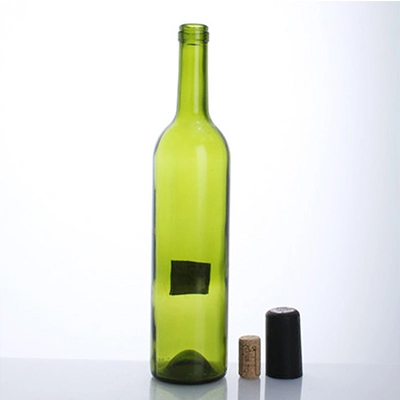
Clear and frosted glass bottles differ fundamentally in transparency, aesthetic expression, and functional focus: clear bottles prioritize unobstructed visibility of contents, while frosted bottles offer a soft, diffused appearance that enhances privacy and elegance. These distinctions shape their suitability for diverse applications, from product display to light-sensitive storage, and Sheenland Glass leverages decades of expertise to optimize both options for enterprise needs.
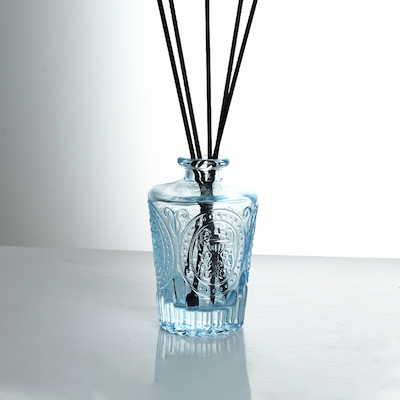
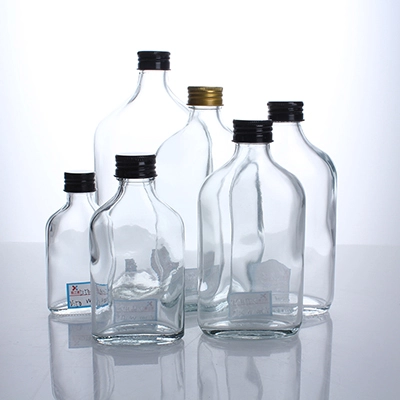
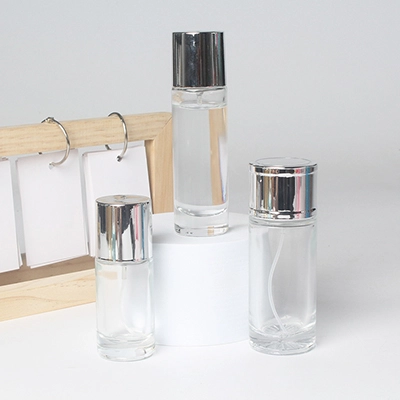
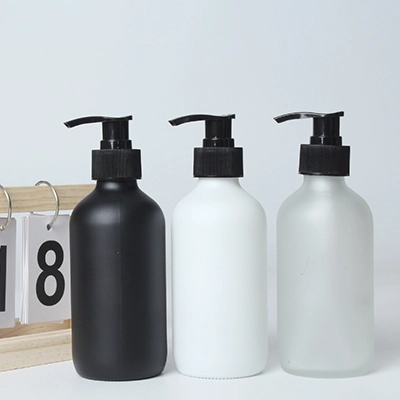
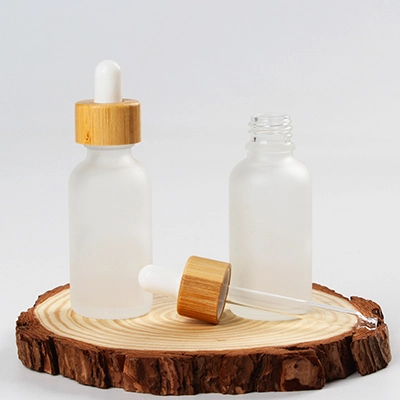
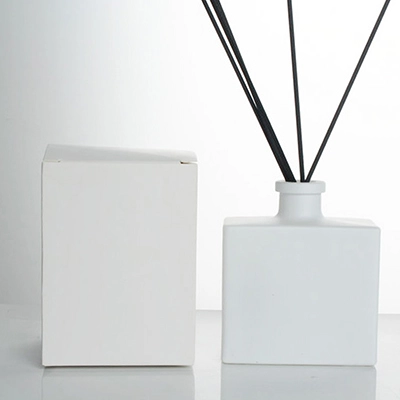
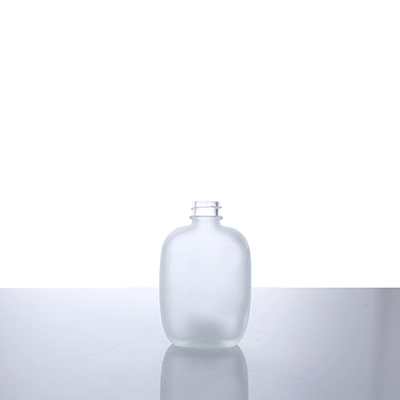
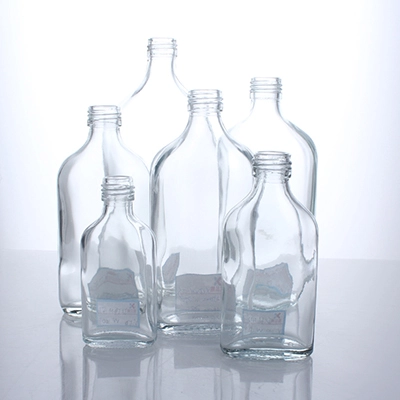
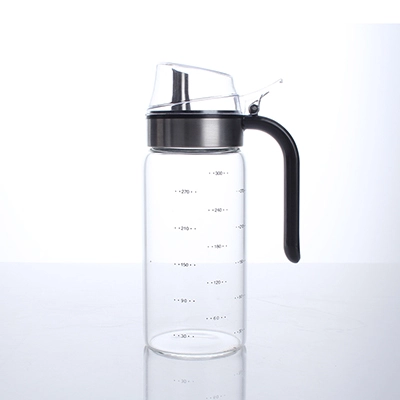
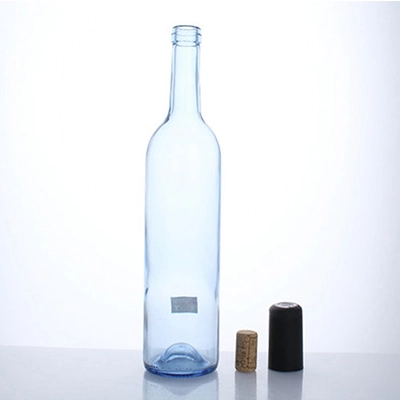
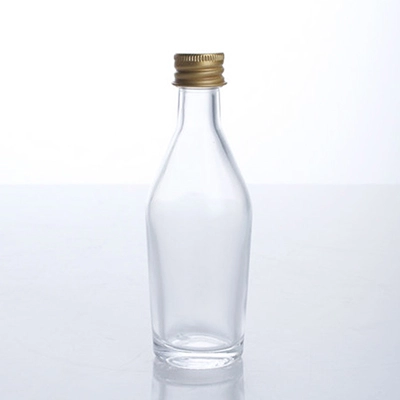
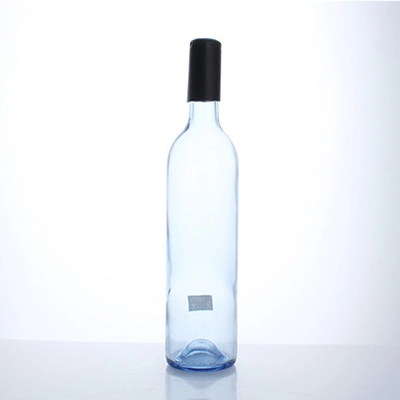
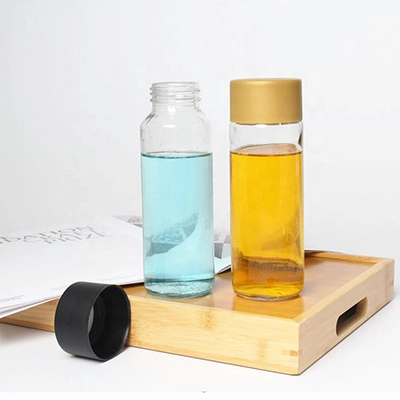
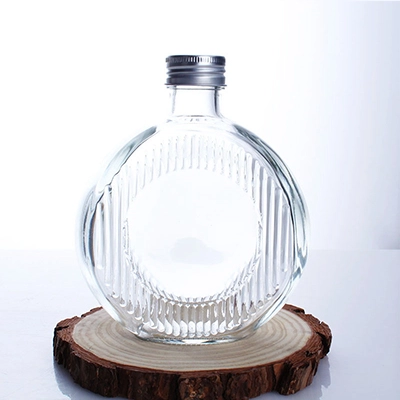
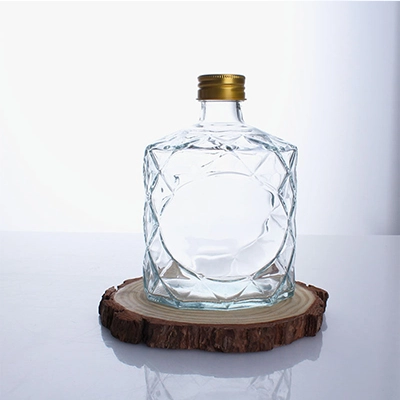
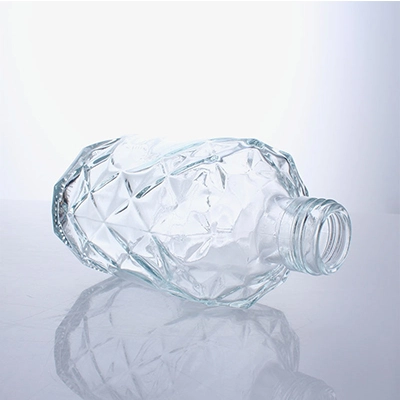
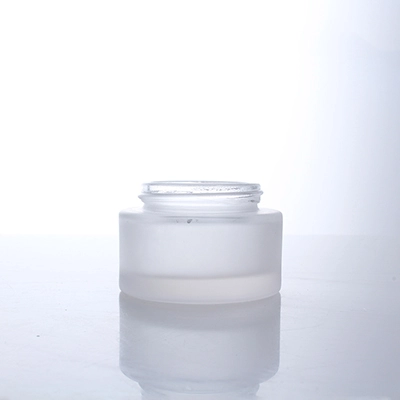
Clear glass bottles boast high light transmittance (typically 85-90%), allowing full visibility of the color, texture, and quantity of internal contents—creating a crisp, clean, and straightforward visual impression. Their surface is smooth, reflective, and glossy, catching light to highlight the product inside. In contrast, frosted glass bottles feature a matte, non-reflective surface that scatters light, resulting in a soft, velvety texture to the touch and a translucent appearance that obscures details while maintaining a sense of depth. The frosted finish adds a premium, understated elegance, avoiding glare and lending a more sophisticated, muted aesthetic compared to the bright clarity of clear glass.
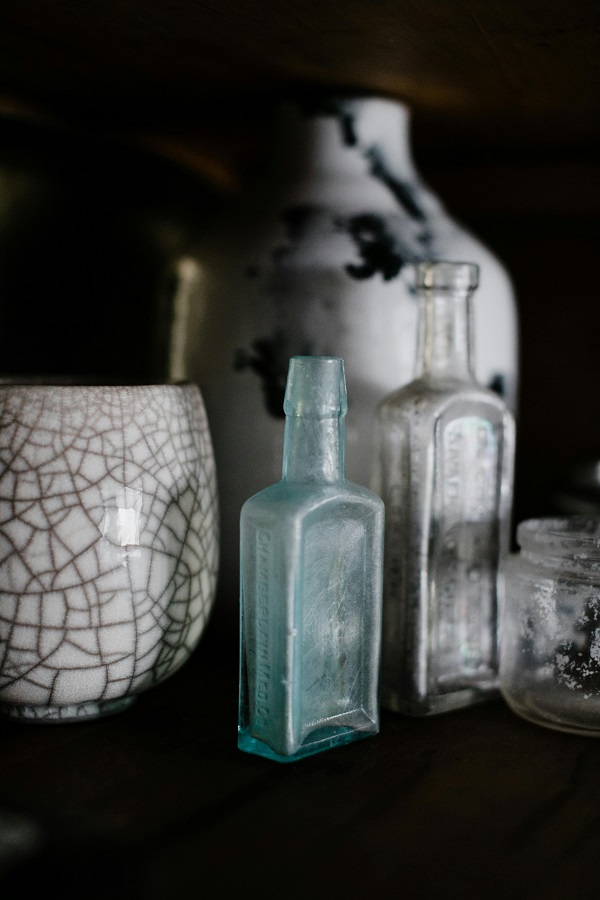
Clear glass bottles are manufactured through standard glassblowing or molding processes, using high-purity silica sand and additives to ensure minimal impurities that could affect transparency. The glass is melted at high temperatures, shaped into the desired bottle form, and annealed to enhance durability. Frosted glass bottles start with the same base clear glass production but undergo an extra finishing step to achieve the matte effect. Common techniques include chemical frosting (using hydrofluoric acid to etch the surface, creating micro-pores that scatter light) and mechanical frosting (sandblasting with abrasive materials to abrade the surface uniformly). Sheenland Glass employs precision-controlled frosting processes to ensure consistent texture, avoiding unevenness and preserving the bottle's structural integrity.
Clear glass bottles excel in product visibility, making them ideal for showcasing vibrant or visually appealing contents (e.g., colorful beverages, decorative oils) and building consumer trust by displaying quality. They are also easier to clean, as stains and residues are visible, and compatible with labeling or printing that requires a clear background. However, they are prone to showing fingerprints, dust, and scratches, and offer no protection against light, which may cause light-sensitive products to degrade over time. Frosted glass bottles hide fingerprints, dust, and minor imperfections, reducing maintenance needs, and provide partial light filtration to protect photosensitive contents. Their opaque finish also enhances brand privacy for proprietary formulations. On the downside, they obscure product visibility, may require more frequent deep cleaning to remove hidden residues, and are slightly more fragile than clear glass if the frosting process is not properly controlled.
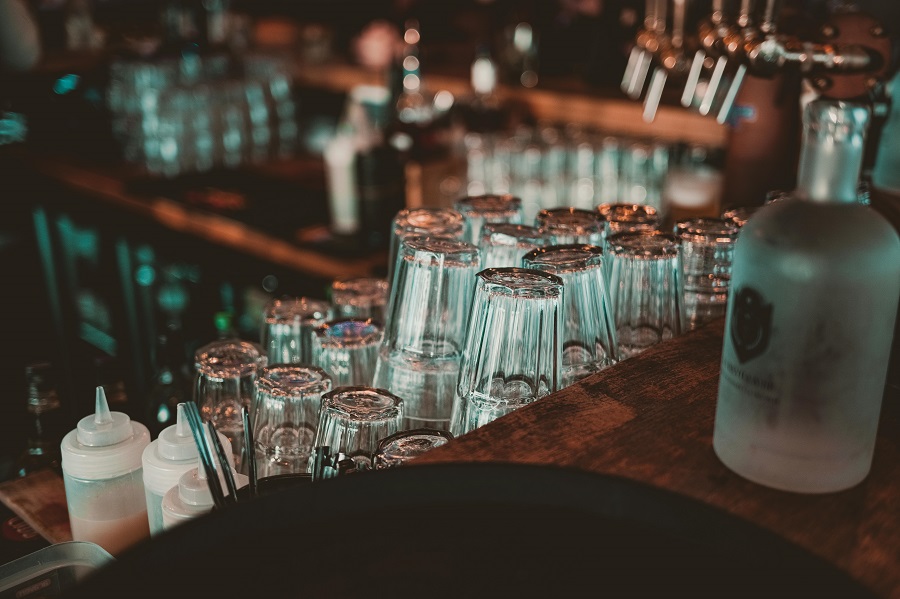
beverage (wine, craft beer, fruit juices), food (olive oil, honey, preserves), cosmetics (serums, lotions in transparent formulations), and pharmaceuticals (vitamin bottles, over-the-counter medications). In daily life, they are favored for home storage, decorative purposes, and gift packaging where the contents are a key visual selling point. Frosted glass bottles are preferred for products where elegance, privacy, or light protection is paramount: skincare (moisturizers, facial oils), aromatherapy (essential oils, diffuser blends), spirits (premium liquor, liqueurs), and personal care (shampoos, conditioners in high-end brands). Industrially, they are used for light-sensitive chemicals, laboratory reagents, and medical products that require UV protection, as well as in hospitality for a sleek, modern aesthetic.
When selecting between clear and frosted glass bottles, enterprises should first evaluate their product's needs: if visibility or light exposure is neutral, clear glass is optimal; if light sensitivity or brand exclusivity is key, frosted glass is better. Brand positioning also matters: clear bottles align with transparency and accessibility, while frosted bottles convey luxury and sophistication. Consider practical requirements such as cleaning frequency, labeling compatibility, and storage conditions. Additionally, assess target consumer preferences: mass-market products may benefit from clear glass's visibility, while niche or premium lines often thrive with frosted glass's aesthetic appeal. Sheenland Glass recommends testing sample bottles to evaluate how they complement your product's color, texture, and branding.
Clear and frosted glass bottles each offer unique value: clear bottles prioritize visibility and functionality for product-focused branding, while frosted bottles deliver elegance and protection for premium or light-sensitive offerings. With advanced manufacturing processes, strict quality control, and customizable options, Sheenland Glass ensures both types meet enterprise standards for durability, consistency, and aesthetic alignment. Whether you need to showcase your product or elevate its luxury appeal, our expert team can help you select the ideal glass bottle solution tailored to your business needs.