 EN
EN
WHAT ARE YOU LOOKING FOR?

When it comes to kitchen storage and preservation, the choice of jar can make a significant difference. Mason jars and regular jars both serve valuable purposes, but understanding their differences can help you make the best choice for your needs. Whether you're a home canning enthusiast or simply looking for versatile storage options, this guide will clarify the distinctions between these two popular types of jars: mason jar vs normal jar.
| Feature | Mason Jars | Normal Jars |
|---|---|---|
| Primary purpose | Canning, preserving and food storage | Food, beverages, cosmetics, candles, storage and decoration |
| Typical closure | Threaded neck with a compatible sealing lid or two-piece lid | Screw lid, lug lid, press-on lid, bamboo lid, pump or other closure |
| Vacuum sealing | Designed to support vacuum sealing when used with the correct lid and process | Depends on the jar and closure specification |
| Heat processing | Some models are designed and tested for canning | Many are intended only for storage, cold filling or decorative use |
| Mouth options | Commonly regular-mouth or wide-mouth | Wide range of neck and mouth designs |
| Shape and finish | Usually recognizable cylindrical or shouldered designs | Greater variety of shapes, colors and decorative finishes |
| Common buyers | Home canners, food brands and meal-preparation businesses | Food, beverage, skincare, candle and retail brands |
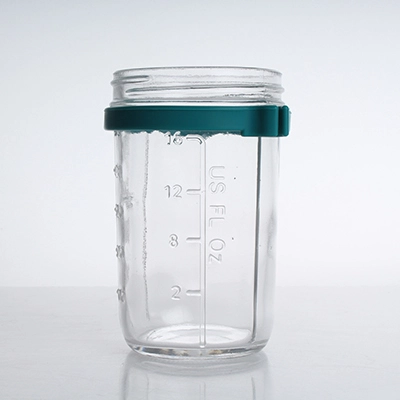
Mason jars, named after their inventor John Landis Mason, have been a staple in kitchens for over a century. These clear glass mason jars are specifically designed for home canning and preservation, featuring a unique two-part lid system.
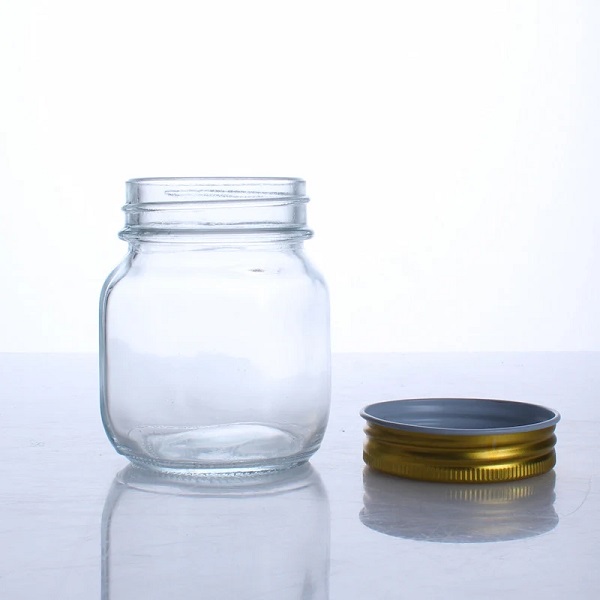
A mason jar is a glass jar with screw lid that creates a vacuum seal, preserving the contents inside. Clear glass mason jars were first patented in 1858 and have since become synonymous with home canning and food storage.
Jar Body: Made of thick glass, designed to withstand high temperatures.
Lid: Consists of a flat metal disc with a rubber seal.
Band: A metal ring that screws onto the jar to hold the lid in place.
Mason jars are ideal for preserving fruits, vegetables, jams, and pickles. They are also used for crafts, storage, and even as drinking glasses!
However, a jar with a Mason-style shape is not automatically suitable for home or commercial canning. Decorative drink jars, lightweight jars and jars supplied with straw lids may resemble Mason jars but may not be designed for high-temperature processing.
Before using any jar for canning, buyers should confirm:
The jar is intended for the required heat-processing method.
The lid and neck finish are compatible.
The glass can tolerate the filling and processing temperatures.
The complete jar-and-closure system has been evaluated for the intended product.
Regular jars encompass a broad category of jars used for various purposes, including food storage, packaging, and decorative uses.
Definition and Types
Regular jars can be made from glass, plastic, or metal, and come in various shapes and sizes. Unlike mason jars, they may not have a vacuum-sealing mechanism.
Common Uses
These jars are commonly used for storing dry goods, leftovers, and as containers for small items like buttons or nails.
Understanding the key differences between mason jar vs regular jar will help you choose the best option for your specific needs.
Mason Jars: Made of durable, heat-resistant glass designed to withstand the canning process. The lid includes a rubber seal that ensures an airtight closure.
Regular Jars: Can be made from various materials including glass and plastic. The seal and construction can vary, and many regular jars are not designed to handle high temperatures.
Mason Jars: Feature a threaded neck for a metal band and lid, which helps in creating a vacuum seal. This design is crucial for preserving food safely.
Regular Jars: Often have screw-on lids or snap-on tops without the additional sealing features required for canning.
Mason Jars: Specifically designed for canning and preserving, ensuring food stays fresh for longer periods.
Regular Jars: Generally used for everyday storage and may not offer the same preservation benefits as mason jars.
Durability and Strength
Mason jars are built to last. Their thick glass construction makes them resistant to breakage, and they can endure the high heat of the canning process.
Seal Integrity
The vacuum seal created by mason jars helps in preserving food by preventing the entry of air and bacteria. This seal is crucial for long-term storage.
Versatility
Beyond canning, mason jars are versatile and can be used for a wide range of purposes including crafting, organizing, and even as unique drinkware.
Variety in Designs
Regular jars come in a wide variety of shapes, sizes, and materials, offering options for different needs and preferences.
Cost and Availability
Typically, regular jars are more readily available and can be less expensive compared to mason jars, making them a convenient option for general storage.
Choose a jar specifically intended for the planned canning or heat-processing method. Confirm that the closure, glass construction and processing instructions are suitable for the product.
Do not reuse an unknown retail food jar for canning simply because its lid appears to fit. A jar designed for commercial packaging, decoration or cold storage may react differently during heating and cooling.
For dry ingredients, snacks, overnight oats and refrigerated foods, regular food storage glass jars are often sufficient.
Important selection factors include:
Airtightness or leak resistance
Capacity
Mouth diameter
Ease of cleaning
Lid material
Stackability
Labeling area
Suitability for refrigeration or freezing
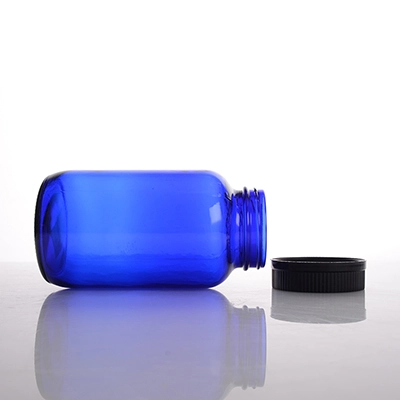
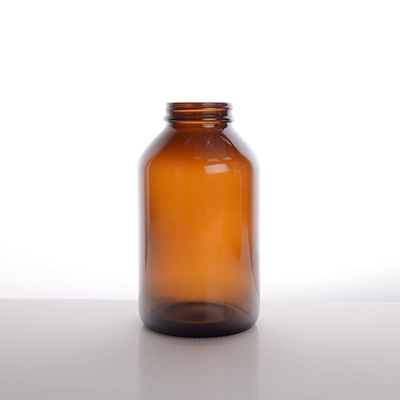
Sheenland offers food storage jars in multiple capacities, including Mason-style jars, baby food jars and straight-sided food jars for different storage and packaging requirements.
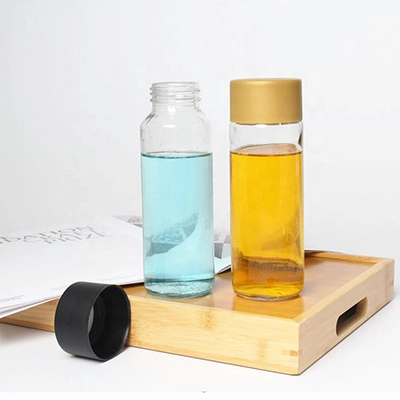
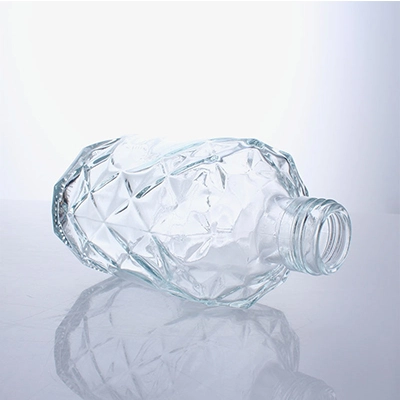
When sourcing big glass jars for drinks, buyers should focus on capacity, handling comfort and closure design rather than choosing by appearance alone.
Large beverage jars can be used for iced coffee, lemonade, fruit drinks, smoothies and hospitality service. Depending on the application, useful features may include:
Wide mouths for ice and fruit
Straw-compatible lids
Handles or easy-grip body shapes
Leak-resistant closures
Clear glass for product visibility
Printed logos or branded labels
If the drink will be hot-filled or pasteurized, provide the supplier with the exact temperature and processing requirements before selecting the jar.
Glass jars for creams and lotions require different features from food-preservation jars. Cosmetic packaging buyers generally prioritize formula compatibility, sealing performance, dispensing convenience and brand appearance.
Useful specifications include:
Wide-mouth access for creams and balms
Inner liners or sealing discs
Clear, amber, black or frosted glass
Small capacities for samples and eye creams
Larger capacities for body butter and hair treatments
Smooth surfaces for printing and labeling
Closures that match the product's viscosity and usage
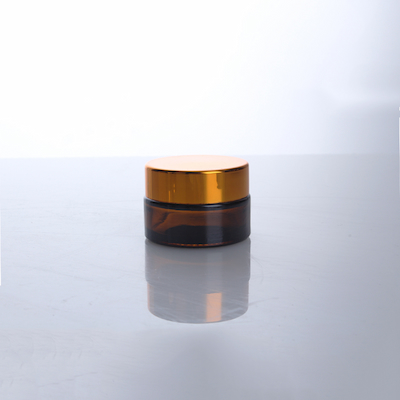
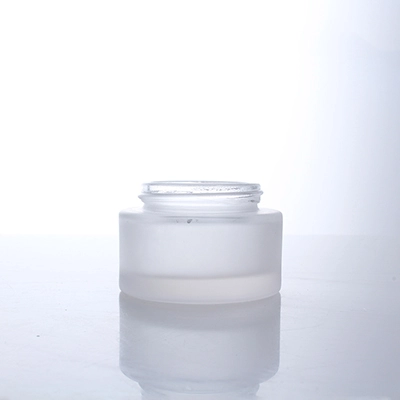
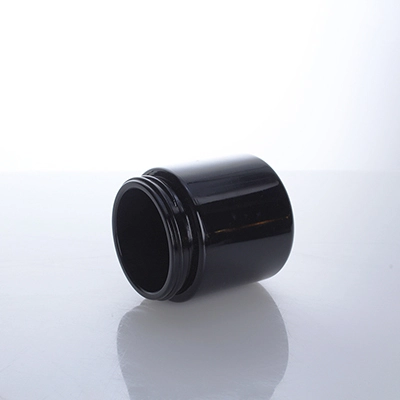
Sheenland's glass cream jar range includes small and standard cosmetic capacities in clear, amber, black, frosted and customized finishes. OEM and ODM options can also be used to coordinate the jar, lid, logo and outer packaging.
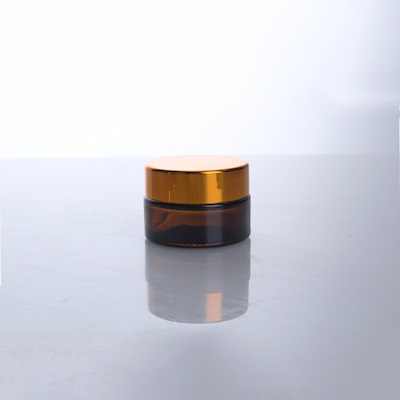
Frosted glass Mason jars combine a familiar jar shape with a matte or translucent surface. They are frequently selected for drinks, gifts, candles, decorative storage and premium cosmetic packaging.
The frosted finish changes the visual appearance of the jar, but it does not by itself make the glass suitable or unsuitable for canning. Canning suitability must still be confirmed through the jar construction, closure system and processing specification.
For beverage or cosmetic brands, frosted jars can create a more distinctive retail presentation. Buyers should also consider whether the finish affects label adhesion, print contrast or visibility of the product inside.
In summary, while mason jars and regular jars might seem similar, they serve different purposes and are designed with distinct features. Mason jars are tailored for canning and preservation with their vacuum-sealing capability, while regular jars offer versatility and variety for everyday storage. Understanding these differences can help you make an informed choice based on your needs.
Only when the jar and closure are specifically confirmed as suitable for the intended canning process. Many regular glass jars are designed for dry storage, cold filling or decorative use and may not tolerate canning temperatures or form a reliable vacuum seal.
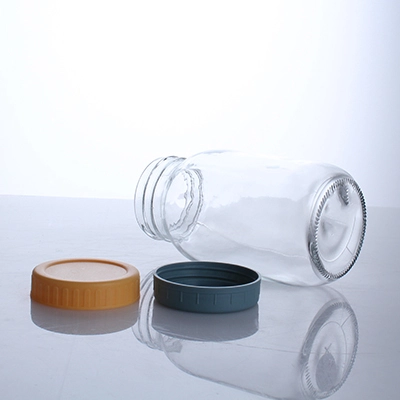
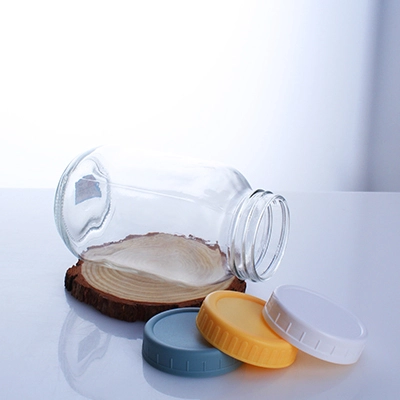
A Mason jar normally has a threaded glass neck and a compatible sealing-lid system associated with food preservation. Traditional designs use a flat sealing lid and a separate screw band. However, some modern products use the Mason-style appearance without being intended for canning.
A Mason jar can become airtight when the correct lid is fitted and an appropriate sealing or processing method is used. Simply tightening a lid does not guarantee a vacuum seal, and damaged rims, incompatible lids or incorrect processing can prevent effective sealing.
Neither design is universally better. Wide-mouth jars are easier to fill, empty and clean and work well for whole foods, oats and spoonable products. Regular-mouth jars can be convenient for sauces, jams and other pourable products. The best choice depends on the contents and filling process.
Many Mason-style jars are used for cold drinks, iced coffee and smoothies, especially when supplied with handles, straw lids or wide openings. Confirm whether the jar is suitable for hot beverages or rapid temperature changes before using it with hot liquids.
A wide-mouth cosmetic jar with a compatible screw lid, liner and appropriate glass finish is usually more suitable than a traditional canning jar. The final choice should be based on formula compatibility, product viscosity, capacity, sealing needs and the desired brand appearance.
Mason jars are a specialized jar format closely associated with food preservation, threaded closures and vacuum sealing. Regular jars are a much broader packaging category offering more options for food, beverages, cosmetics, candles and retail products.
The best jar is not determined by appearance alone. Buyers should evaluate the contents, filling temperature, closure, capacity, mouth design, decoration and shipping requirements before placing an order.
For custom glass jar recommendations, provide Sheenland with your target product, capacity, lid style, decoration requirements and expected order quantity. The packaging team can then help match an existing jar or discuss an OEM glass packaging solution.