 EN
EN
WHAT ARE YOU LOOKING FOR?

Choosing the right glass cream jar impacts formula stability, production efficiency, shipping safety, and brand positioning—especially for export markets such as the USA, Canada, Australia, Japan, and Southeast Asia (e.g., Thailand). Use this practical checklist to select packaging that performs well in real-world filling, warehousing, and e-commerce delivery.
Your formula determines the level of protection required:
Oxidation-prone actives (Vitamin C, retinol, some botanical extracts): consider amber glass or other light-reducing options to slow degradation.
Essential oils / fragrance-rich formulas: prioritize a tight closure system to reduce evaporation and scent loss.
Active or functional skincare (acids, multi-active blends): glass is typically non-reactive, but the liner/inner lid materials must be tested for compatibility.
B2B note: Most issues come from the closure system (cap + liner + inner lid), not the glass itself.
Common sizes by application:
5–15 ml: samples, travel, eye cream
20–50 ml: face creams (most common: 30 ml / 50 ml)
100 ml+: masks, body butter, professional sizes
To prevent under/overfill problems, confirm with your supplier:
net fill target (g/ml) and allowable tolerance
overflow capacity (how much the jar can actually hold)
whether your formula needs headspace for sealing and transport
For exports to North America, Australia, Japan, and SEA—often shipped by ocean/air and resold via e-commerce—sealing matters.
Look for:
stable screw-thread design for consistent closing torque
inner lid (disc/plug) to improve leak resistance and reduce air exchange
liner options suitable for your formula (oil content and viscosity can affect performance)
Request your supplier’s validation approach (typical items include torque checks, leak testing, vibration/transport simulation, and drop testing aligned with your distribution channel).
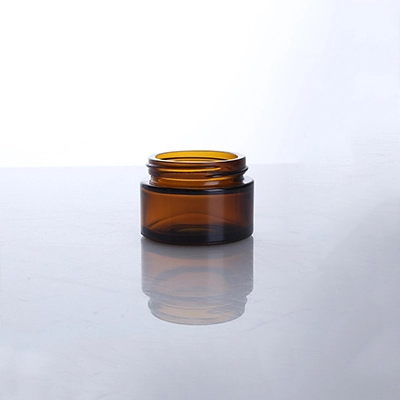
Wide-mouth jars are ideal for thick creams, balms, and masks; easier to use but may increase contamination risk.
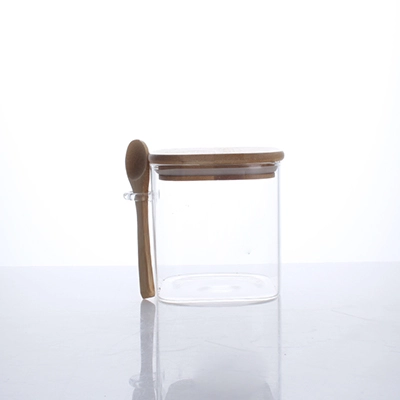
Add spatulas or inner lids for hygiene (common in premium positioning and Japanese retail expectations).
Confirm the mouth size fits your filling nozzles and that caps can be reliably torqued on your line.
Choose based on formula needs and brand positioning:
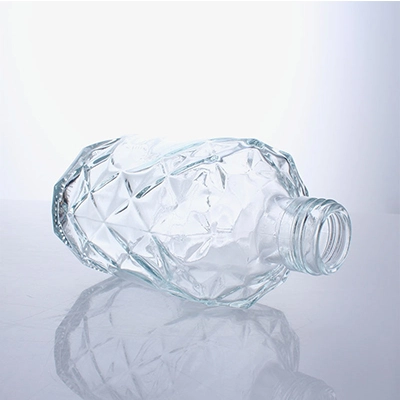
Clear glass: best for showcasing texture/color; use when the formula is stable under light.
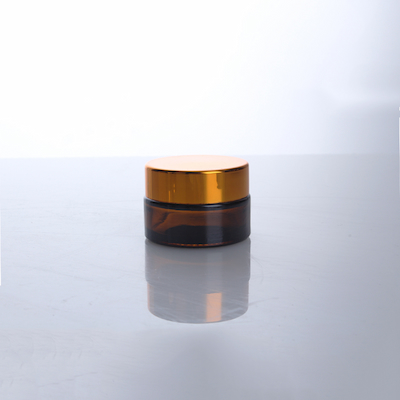
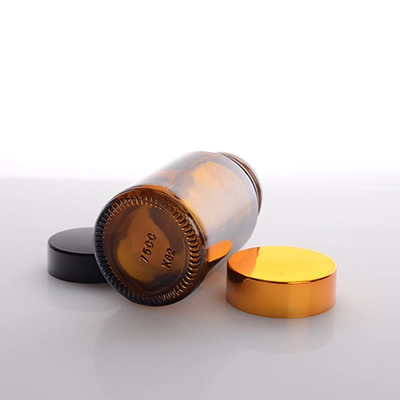
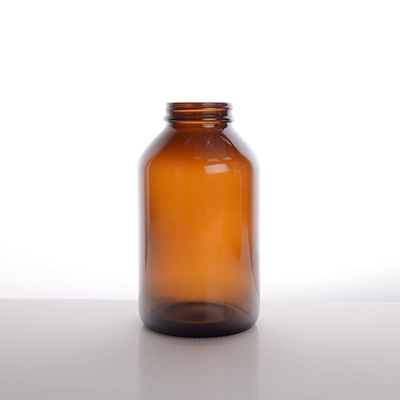
Amber glass: provides stronger light protection; popular for “natural/functional” positioning.
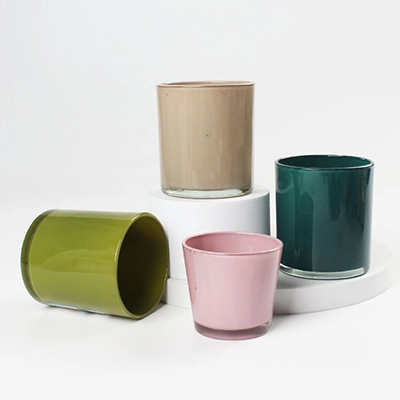
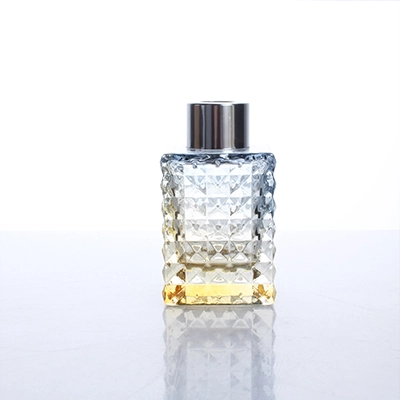
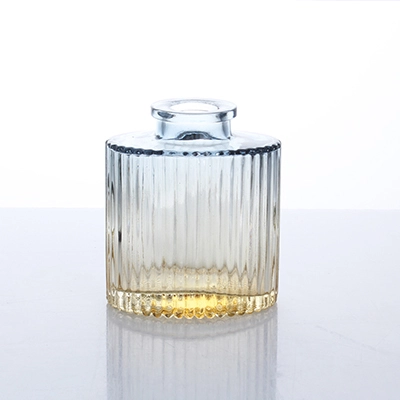
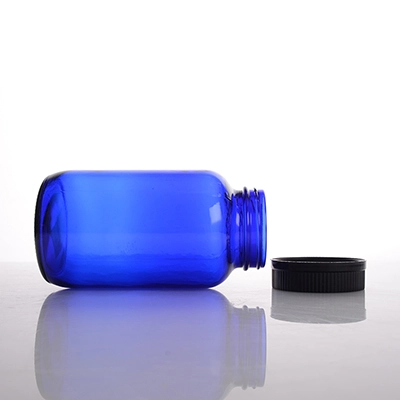
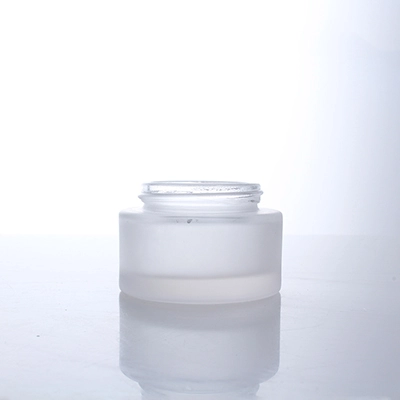
Frosted/colored glass: premium look and differentiation.
If you need decoration, confirm options early (labeling vs silk-screen printing, hot stamping, cap color matching), as these affect lead time and MOQ.
To speed up RFQs and reduce sampling rounds, prepare:
Product details
formula type (actives, oils, fragrance level)
target size (e.g., 30g/50g/100g)
sales channel and shipping method (retail/e-commerce/export)
Packaging specs
jar: capacity + color + finish
cap style and material preference
inner lid/liner requirement
decoration requirements (print area, artwork)
Quality & logistics
leak performance expectation for your channel
packing method (dividers, carton strength) to reduce breakage
MOQ, lead time, sampling plan
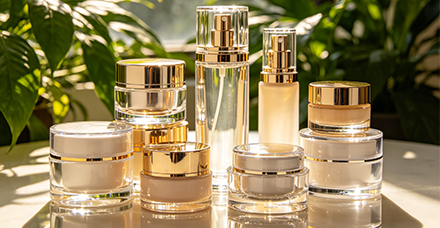
A high-performing glass cream jar is one that works across formulation stability + production + export logistics + customer experience. Validate compatibility and sealing early to prevent avoidable returns and complaints in overseas distribution.
Glass is a strong choice for premium skincare because it’s stable, non-reactive, and widely recyclable. However, overall performance depends on the closure system and your logistics. If your product is shipped frequently via e-commerce and breakage risk is a concern, you may compare glass with alternative formats—or upgrade protective packing.
Often yes, especially for formulas sensitive to light and oxidation. Amber glass helps reduce light exposure, but stability still depends on the formula, headspace, and closure. The safest approach is to run a stability/compatibility test with the full packaging set.
Common causes include inconsistent cap torque, liner mismatch, lack of an inner lid, temperature changes in transit, and vibration. Prevention methods:
Choose a proven thread design
Add an inner lid (disc/plug)
Select a compatible liner
Confirm leak/transport tests and export-grade carton packing
An inner lid (disc/plug) sits under the cap to improve sealing and reduce air exposure. It’s recommended for:
export shipping
oil-rich or fragrance-heavy creams
e-commerce channels where leakage leads to high return rates
Run a compatibility test using real filled samples:
store at different temperatures (including warm conditions)
Check for odor changes, liner swelling, discoloration, leakage, or product drying
Ask your supplier for recommended liner options and sampling guidance.
For face creams, 30 ml and 50 ml are common across many markets, including North America and Asia. Body products and masks often use 100 ml+. Final selection should match your pricing strategy and usage frequency.
Yes—Japan often values clean design, high perceived quality, and good hygiene features. Pairing glass jars with an inner lid and/or spatula can improve the unboxing and daily-use experience.
To receive the fastest and most accurate quote, provide:
size (e.g., 30/50/100 ml)
glass color/finish (clear/amber/frosted)
cap style/material preference
inner lid/liner requirement
decoration needs (label/printing)
quantity and target export market (USA/Canada/Australia/Japan/SEA)
Use protective packing and confirm supplier packing specs:
inner dividers or molded trays
sufficient carton strength and drop protection
palletization method for ocean freight
Breakage control is a packaging + logistics system decision, not just the jar choice.